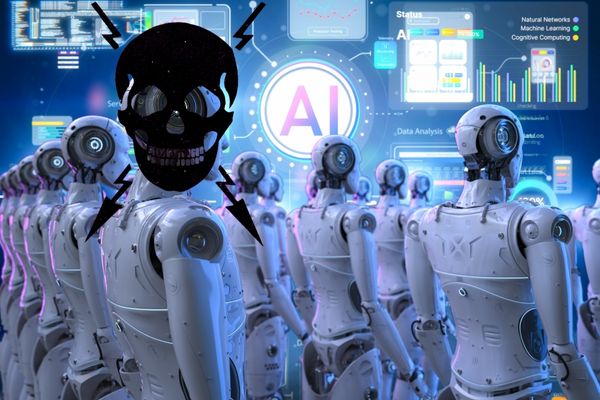
आज के digital युग में AI के खतरे पर ध्यान देना बहुत आवश्यक हो गया है। Artificial Intelligence ने जीवन के कई क्षेत्रों में क्रांति ला दी है, लेकिन इसके साथ जुड़े risks को नजरअंदाज करना खतरनाक साबित हो सकता है। इस blog में हम AI के मुख्य खतरों, उनकी nature, potential impact और उनसे बचने के तरीकों पर विस्तार से बताएँगे।
AI के मुख्य खतरे
1. Privacy का उल्लंघन
AI की मदद से data analysis पहले से कहीं ज्यादा accurate हो गया है। इसके कारण personal information का गलत इस्तेमाल संभव है। अगर sensitive data गलत हाथों में चला जाए, तो data leak और privacy breach जैसी समस्याएं सामने आ सकती हैं।
2. Bias और भेदभाव
Machine Learning models अगर biased या गलत data पर train किए जाए, तो उनके decisions में भी bias दिखाई दे सकता है। इससे recruitment, financial services और judicial जैसे महत्वपूर्ण क्षेत्रों में inequality और discrimination की समस्या पैदा हो सकती है।
इसके अलावा, अगर AI models को गलत या incomplete input दिया जाए, तो उसका output भी गलत हो सकता है। इसलिए AI द्वारा दिए गए results को बिना verify किए blindly follow करना सही नहीं है।
3. रोजगार पर प्रभाव
Automation, AI और robotics के बढ़ते इस्तेमाल से कई ऐसे tasks हैं जिनमें human labour की आवश्यकता कम हो रही है। इससे आने वाले समय में कुछ traditional jobs पर असर पड़ सकता है और unemployment की चिंता बढ़ सकती है।
ChatGPT, Leonardo AI और ElevenLabs जैसे AI tools ने writing, image generation, voice generation और content creation जैसे कई क्षेत्रों में काम करने के तरीके को काफी बदल दिया है। कुछ jobs में human workforce की demand कम हुई है, जबकि दूसरी तरफ नई AI-related jobs और opportunities भी पैदा हुई हैं।
इसलिए AI को केवल jobs खत्म करने वाली technology के रूप में देखने के बजाय यह समझना जरूरी है कि आने वाले समय में job roles और required skills किस तरह बदल सकते हैं।
4. Security और Hacking
AI-based systems में security vulnerabilities का फायदा उठाकर cyber attacks किए जा सकते हैं। अगर powerful AI systems गलत लोगों के हाथों में चले जाएँ, तो उनका इस्तेमाल phishing, automated attacks, fraud और critical infrastructure को target करने के लिए किया जा सकता है।
इसलिए AI systems की security, monitoring और regular testing बेहद जरूरी है।
5. AI का हथियार के रूप में इस्तेमाल
Military में AI-powered drones, autonomous systems और robotics का इस्तेमाल तेजी से बढ़ रहा है। यदि autonomous weapons का control सही तरीके से manage न किया जाए, तो वे global security के लिए गंभीर खतरा बन सकते हैं।
Russia-Ukraine war में AI और autonomous drone technologies के इस्तेमाल ने यह दिखाया है कि modern warfare में AI की भूमिका लगातार बढ़ रही है। ऐसे में autonomous weapons के development और use को लेकर international rules और responsible policies की आवश्यकता है।
6. Reality और Fake में अंतर करना मुश्किल
Nano Banana जैसे AI image generation और editing tools ने internet पर AI-generated images को एक नए level तक पहुंचा दिया है। आज कोई व्यक्ति अपनी photo upload करके उसका background बदल सकता है, किसी celebrity के साथ realistic-looking photo बना सकता है या किसी image को पूरी तरह बदल सकता है।
इनमें से कई AI-generated images इतनी realistic दिखाई देती हैं कि सामान्य व्यक्ति के लिए यह पहचानना मुश्किल हो सकता है कि image real है या AI-generated।
इससे misinformation, fake news, identity misuse और digital fraud जैसी समस्याएं बढ़ सकती हैं। आने वाले समय में हमें केवल images ही नहीं, बल्कि AI-generated videos और audio को भी carefully verify करना पड़ेगा।
AI के खतरों से बचने के उपाय
1. Data Privacy और Security
AI systems में encryption, access control और strong security protocols का इस्तेमाल किया जाना चाहिए। साथ ही, personal और sensitive data को collect और process करने के लिए clear privacy policies और regulatory frameworks होने चाहिए।
2. Ethical AI Development
AI models को train करने के लिए diverse और high-quality datasets का इस्तेमाल किया जाना चाहिए। AI algorithms का regular audit और testing भी जरूरी है, ताकि bias और unfair decisions को कम किया जा सके।
3. Skill Upgradation
AI और automation से प्रभावित होने वाले employees को नई technologies की training दी जानी चाहिए। उन्हें AI tools, digital skills और नए job roles के लिए prepare किया जा सकता है।
AI को केवल competition के रूप में देखने के बजाय अपनी productivity बढ़ाने के लिए एक tool की तरह इस्तेमाल करना future workforce के लिए ज्यादा उपयोगी हो सकता है।
4. Strong Security Protocols
AI systems को continuously monitor किया जाना चाहिए। Regular security testing और penetration testing के माध्यम से vulnerabilities को identify करके उन्हें समय रहते fix किया जा सकता है।
इसके अलावा, organizations को अपने AI systems के लिए proper authentication, access control और incident response mechanisms भी तैयार रखने चाहिए।
5. Global Cooperation और Policies
AI technology किसी एक देश तक सीमित नहीं है। इसलिए autonomous weapons, sensitive AI technologies और powerful AI systems के responsible development और use के लिए international cooperation और clear policies की आवश्यकता है।
Governments, technology companies और international organizations को मिलकर ऐसे rules बनाने चाहिए जो innovation को रोकें नहीं, लेकिन AI के potential risks को भी control में रखें।
निष्कर्ष
AI ने humanity को अनगिनत opportunities दी हैं, लेकिन AI के खतरे को समझना और उनसे बचने के लिए सही कदम उठाना भी उतना ही महत्वपूर्ण है।
Data privacy, ethical AI development, employment reskilling और strong security policies के माध्यम से AI से जुड़े कई risks को कम किया जा सकता है।
हमें AI से डरने के बजाय इसे responsibly और carefully इस्तेमाल करना सीखना होगा। आने वाला समय AI का है, लेकिन यह सुनिश्चित करना हमारी जिम्मेदारी है कि AI का development और इस्तेमाल humanity के हित में हो, उसके खिलाफ नहीं।